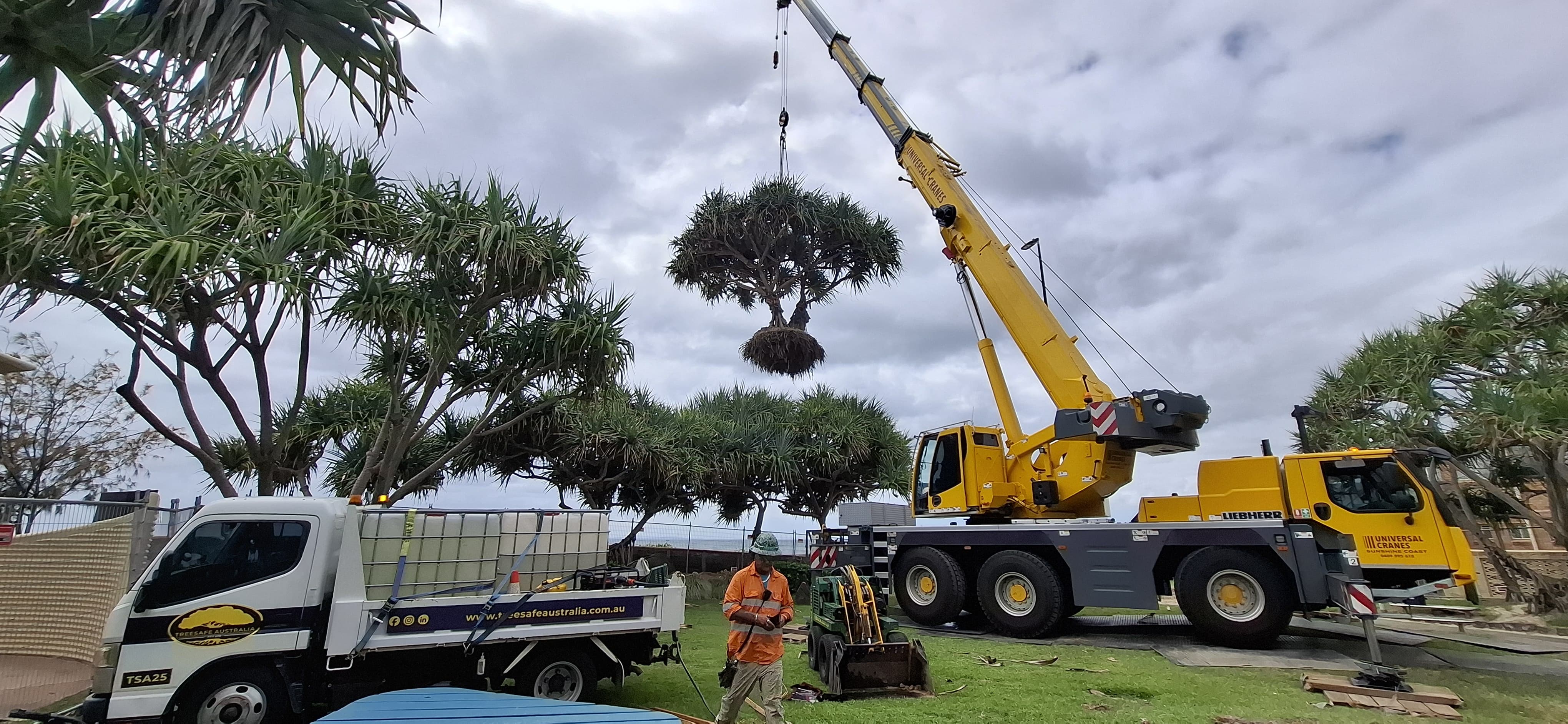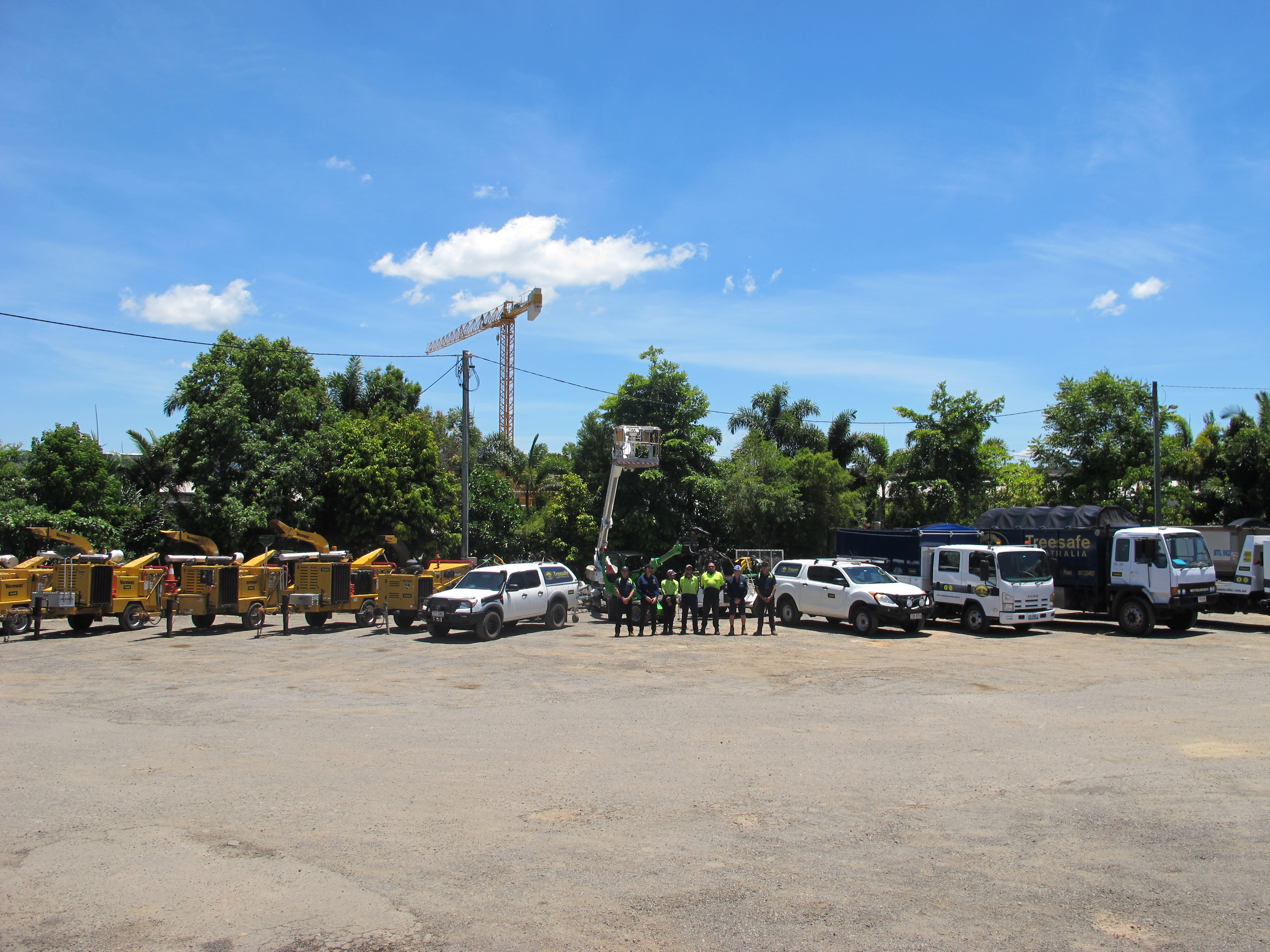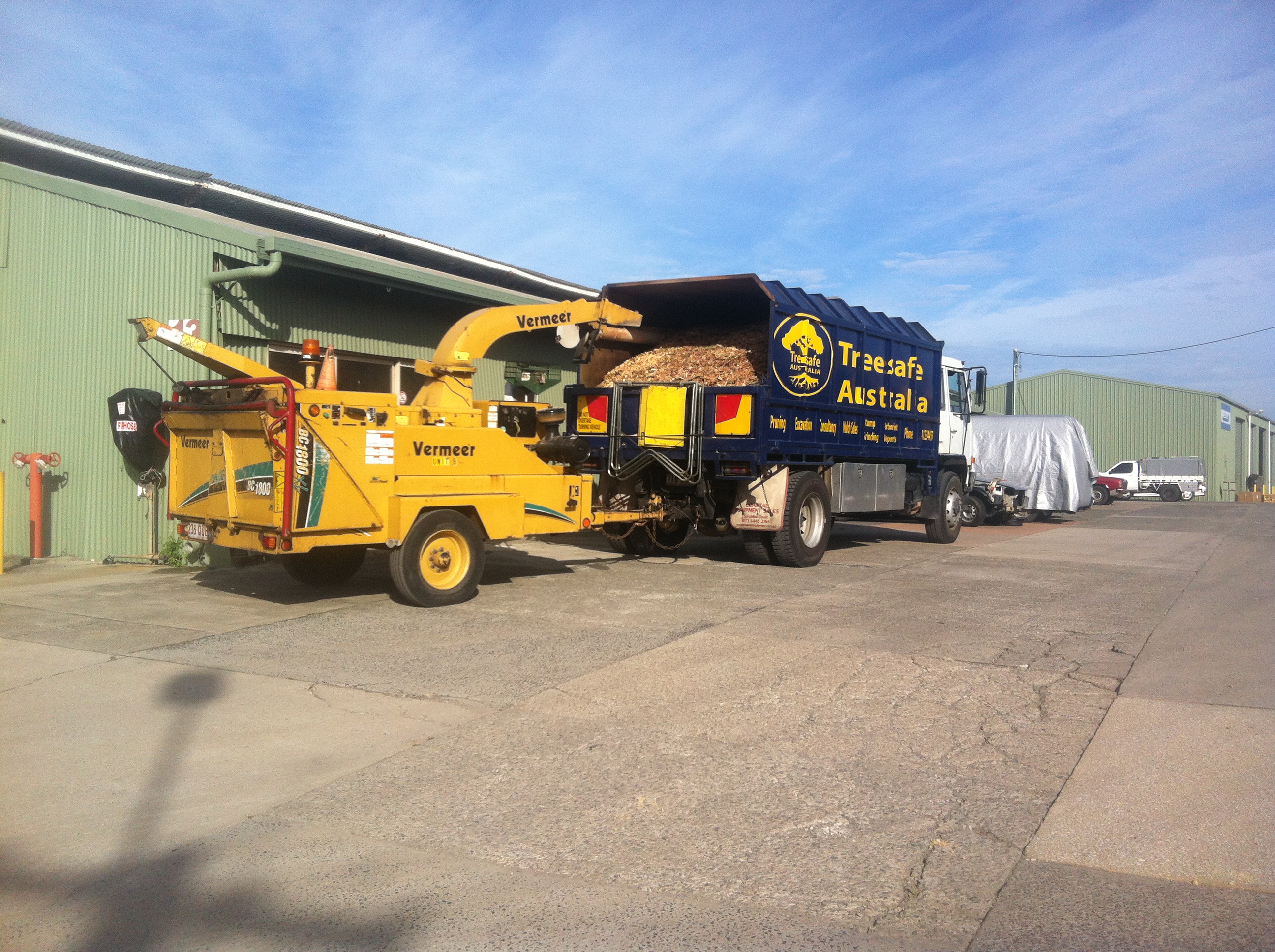
Every September, smart Sunshine Coast homeowners do the same quiet ritual: they walk outside, look up, and book the pruning. They’ve learned what storm-season veterans know — the cheapest storm damage is the damage that never happens.
But pre-storm pruning has a right way and a harmful way. Here’s the difference.
The three cuts that protect
Deadwooding — removing the limbs already dead and waiting for wind. Selective thinning — reducing canopy density so wind flows through rather than pushing against a solid sail. End-weight reduction — shortening long, heavy lateral branches (especially over roofs) to reduce the lever arm that snaps them. These are surgical, standards-based cuts, and they transform how a tree rides out a storm.
The ‘pruning’ that increases danger
Topping triggers weak regrowth that fails in years 3–5 — right when you’ve forgotten. Lion-tailing shifts weight to branch tips and invites tearing. Over-thinning stresses the tree and stimulates the same weak regrowth. If a contractor’s plan sounds like “we’ll take heaps off”, that’s your cue to keep looking.
Timing and species
Aim for September to early November: wounds begin sealing before the season, and arborists’ diaries are still sane. Priority species on the Coast: coral trees, African tulips, camphor laurels, tipuanas, and any mature gum over a target. Palms just need dead fronds off before they fly.
The honest limits
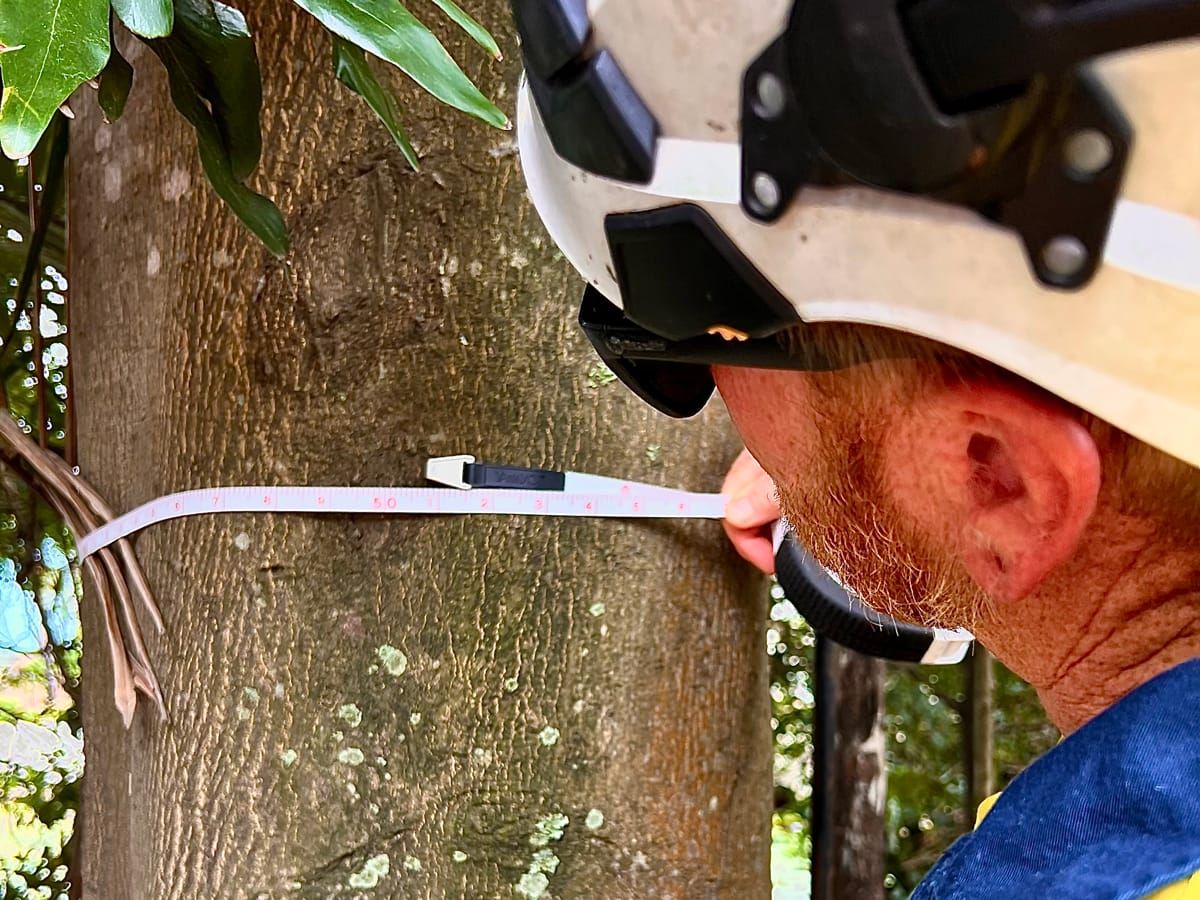
Pruning reduces risk; it doesn’t abolish it. A tree with advanced decay, a compromised root plate or a fresh lean won’t be saved by thinning — it needs assessment, and sometimes the brave decision. A good arborist tells you which situation you’re in before touching a branch.
Prune with purpose in spring — deadwood, density, end-weight — and let the storms find nothing to take.