Know which trees are safe. Prove it. Sleep at night.
If you’re responsible for land where people gather, you carry a legal duty of care over every tree on it. “It looked fine” is not a defence. “Here is the assessment, the rating, and the works we completed” — is.
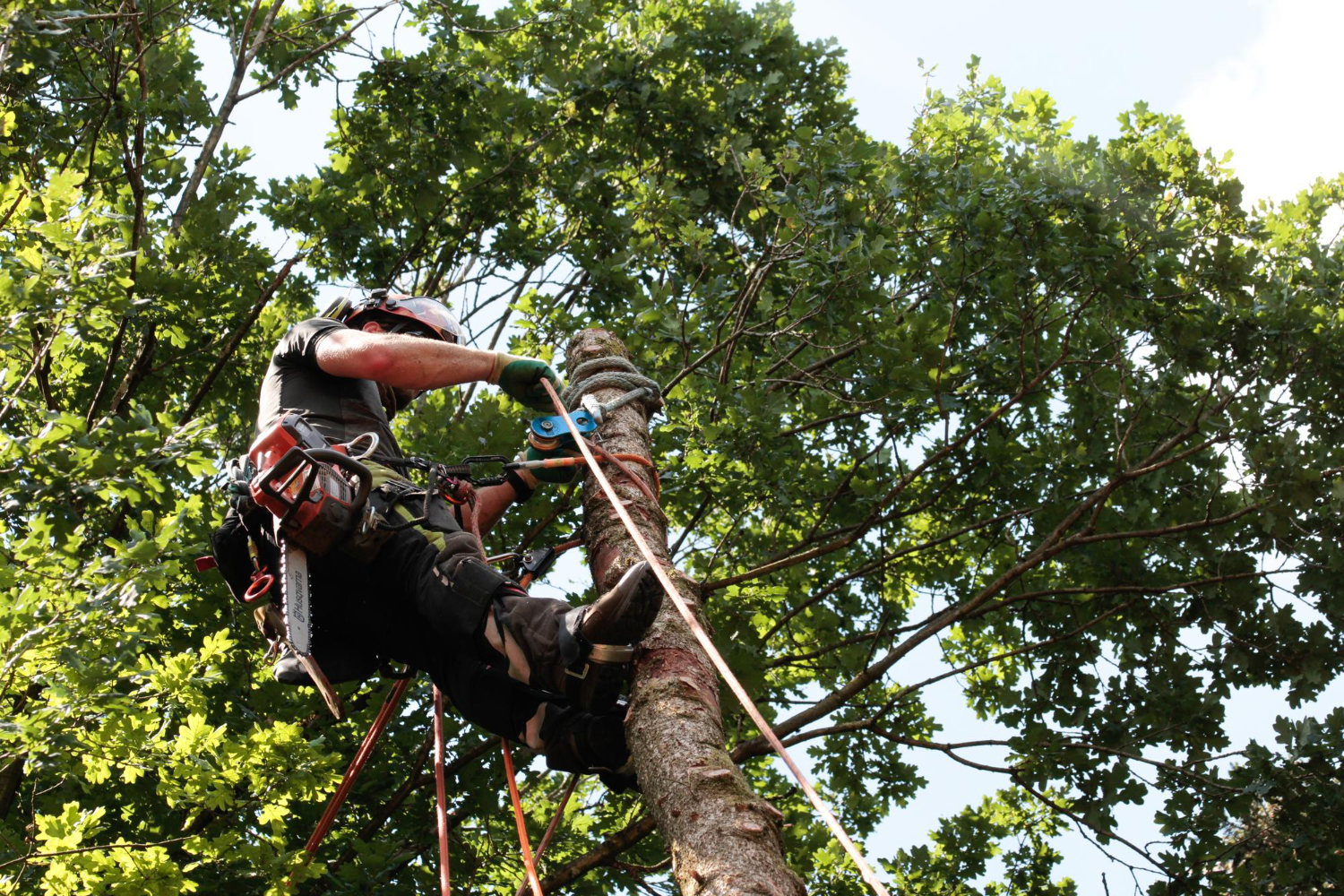
Our AQF Level 5 arborists assess tree risk using internationally recognised methodologies, combining decades of local species knowledge with systematic inspection. You receive a clear, prioritised, defensible document: what’s safe, what needs work, what needs watching — and the paper trail that proves you managed it responsibly.
What you get with Treesafe
- Systematic risk ratings — Likelihood, target and consequence evaluated per tree — no guesswork, no blanket removals.
- Health & structural diagnosis — Decay detection, root plate assessment, canopy condition and species-specific failure patterns.
- Prioritised action plans — Works ranked by risk so budgets attack real danger first.
- Review & monitoring cycles — Scheduled re-inspections that keep your duty of care current year after year.
Questions, answered honestly
How often should commercial trees be risk-assessed?
Best practice is every 1–3 years depending on occupancy and tree condition, plus after major storms. We’ll recommend a cycle matched to your site’s risk profile.
What’s the difference between a health and a risk assessment?
Health assessment asks ‘how is the tree doing?’ Risk assessment asks ‘what happens if part of it fails, and who or what is underneath?’ Most duty-of-care programs need both — we deliver them together.
Will the assessment mean removing lots of trees?
Rarely. Most issues are managed with pruning, targets (redirecting use), or monitoring. Removal is recommended only when risk genuinely can’t be managed otherwise.
Is the report suitable for insurance and legal purposes?
Yes — reports are prepared by AQF Level 5 consulting arborists with the documentation insurers, auditors and courts expect.
That tree has waited long enough.
One free visit from a qualified arborist and you'll know exactly where you stand — what's safe, what's not, and what it costs to fix. No obligation. No jargon. Just peace of mind, finally.