Every November, Maroochydore holds its breath. The radar turns angry, the afternoons go green-black, and every mature tree within falling distance of a bedroom gets quietly re-evaluated by its owner.
Pre-storm pruning is the highest-value tree work you can buy — but only when it’s done right. The wrong cuts don’t just waste money; they can make your tree more likely to fail.
What actually protects your home
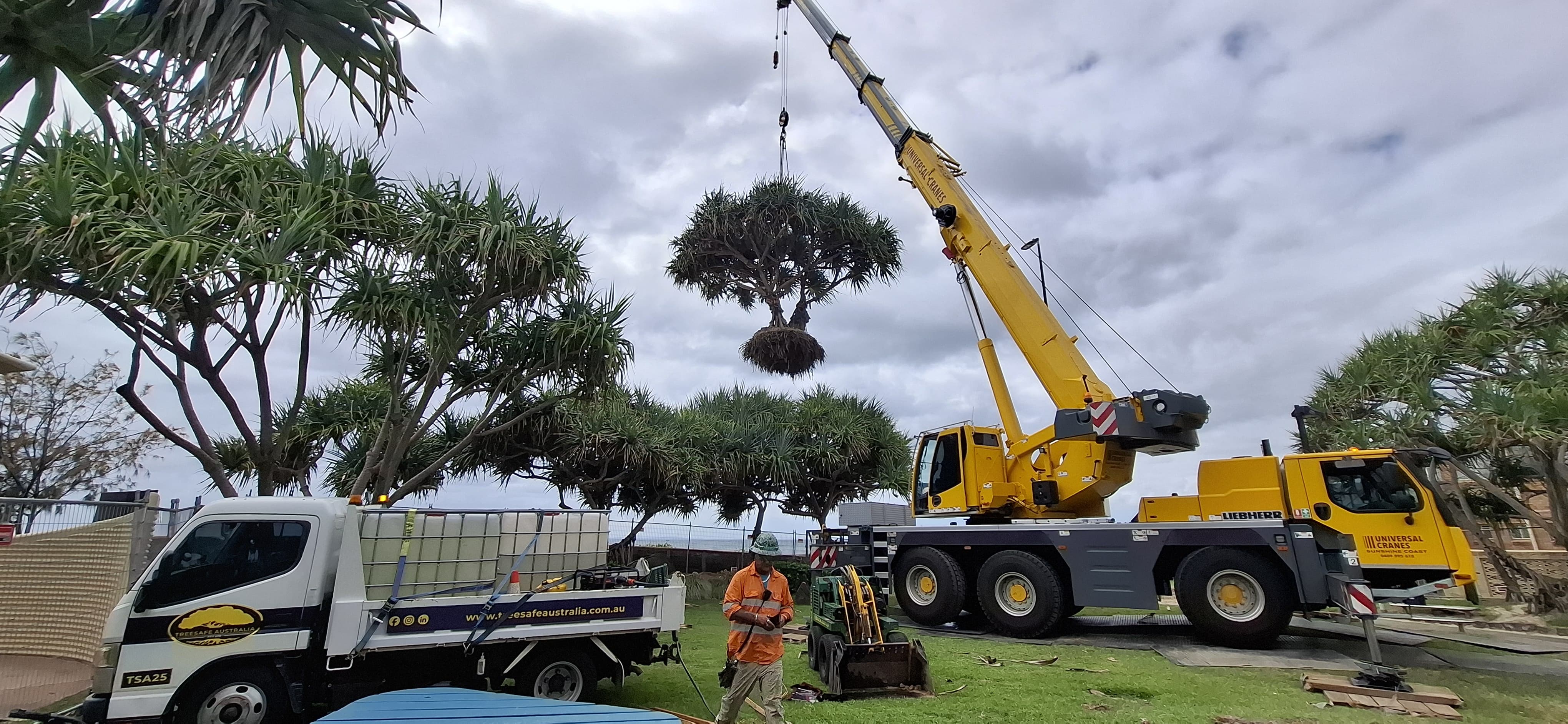
Deadwooding removes the limbs already waiting to fall. Crown thinning (done selectively, to AS 4373) lets wind pass through the canopy instead of gripping it like a sail. End-weight reduction on long, heavy laterals shortens the lever that snaps branches over roofs. These three cuts, properly placed, dramatically change how your tree rides out a storm.
The cuts to never make
Topping creates weak epicormic regrowth that tears out in years 3–5 — exactly at roof height. Lion-tailing (stripping inner growth, leaving tufts at branch tips) concentrates weight at the end of the lever and invites snapping. Flush cuts remove the branch collar the tree needs to seal the wound. If your quote mentions any of these, get another quote.
Know your Maroochydore species
Brittle and fast: coral trees, African tulips, camphor laurels — prune hard-earned caution into these. Strong but heavy: figs and mature gums — watch for overextended laterals over structures. Palms: never spike them; clean dead fronds before they become missiles. Local knowledge isn’t a luxury here — it’s the whole job.
Timing it right
The window is September to early November: enough time for wounds to begin sealing before the first big systems arrive. Left it late? Hazard deadwooding is still worthwhile at any point — a dead limb doesn’t care what month it is.
One pre-season visit costs less than one insurance excess. Book the pruning before the radar turns, and sleep through the storm warnings.