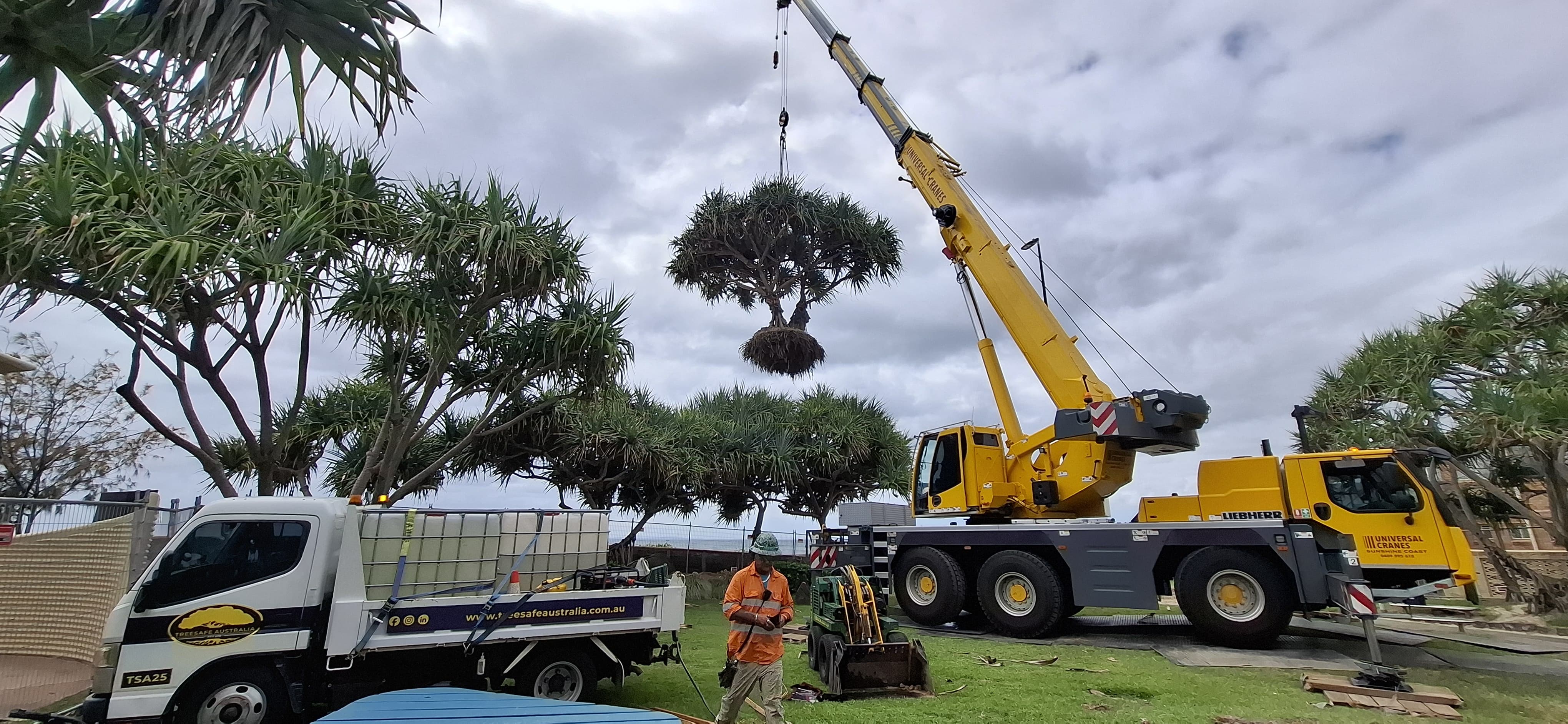
Acreage life on the Coast is the dream — until the fire danger index spikes or a line of storms rolls off the range, and suddenly those hundred beautiful trees feel like a hundred questions.
Resilience isn’t about clearing everything. It’s about managing the right zones, so fire and wind meet a property that’s ready for them.
Think in zones
Fire authorities describe an Asset Protection Zone — the managed area closest to your home where fuels are kept low, trees are pruned up, and flammable species are absent. Beyond it, a managed buffer reduces intensity further. You don’t clear your block; you curate it, hardest near the house, softening with distance.
The trees that stay
Well-spaced, healthy, high-canopied trees are not your enemy — wind-borne embers and unmanaged undergrowth are. Remove the ladder fuels (shrubs under canopies, dead material, low limbs to 2m+), thin overcrowded regrowth, and favour fire-wise species near structures. A parkland-like property is both safer and more beautiful.
Storm resilience is a pruning game
Wind fails trees at their weak points: included-bark unions, overextended limbs, one-sided canopies, root plates in saturated soil. Strategic weight reduction and deadwooding before November changes outcomes in February. On acreage, prioritise by target: trees over the house, the shed, the driveway, the tanks.
Don’t forget the access
Fire trails and driveways are your escape route and the firies’ way in. Keep them clear of overhang (4m wide, 4m high is the common guidance), maintain gates and passing bays, and keep vegetation pulled back from bridges and culverts. An annual pre-season trail day is the cheapest insurance you’ll ever buy.
Resilience is a rhythm, not a project: a few planned days each winter keeps your acreage a haven instead of a hazard.