Few phrases strike fear into a Queensland landowner like “vegetation management overlay”. Suddenly your block has invisible lines across it, your development application is stalled, and everyone is using acronyms.
Take a breath. The system has logic, and once you see it, the path forward is usually clear — and faster than you feared.
The layers of the onion
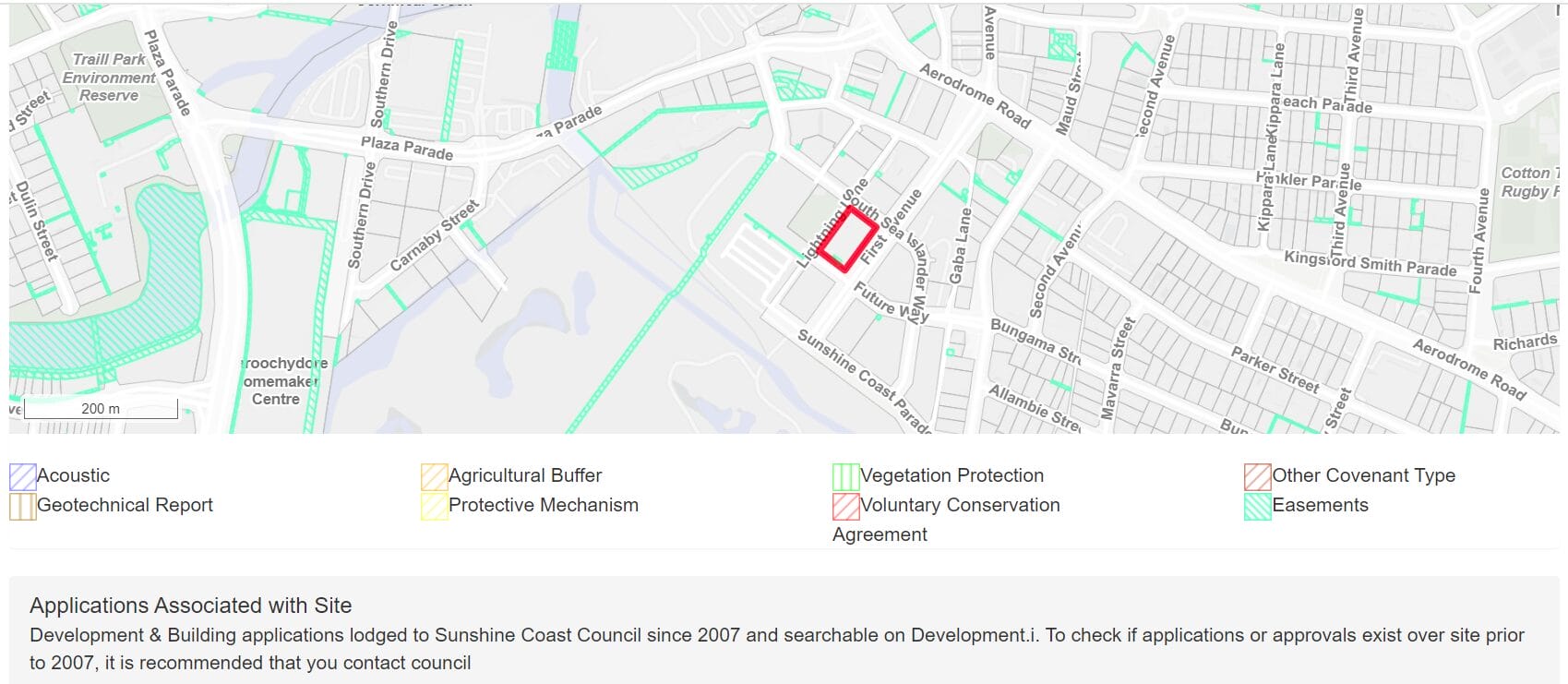
Queensland vegetation rules stack in layers: the state Vegetation Management Act 1999 (mapped regulated vegetation), your local planning scheme overlays (biodiversity, waterway, bushfire), and sometimes federal EPBC Act matters. Which rules bite depends on your exact parcel — two neighbouring blocks can face completely different requirements.
Exemptions people actually use
Clearing for an approved building envelope; managing declared pest plants; genuine emergency works on dangerous trees; certain fire management lines; routine maintenance of existing cleared areas. Each has conditions — the word “exempt” always has fine print, and overlays can override it.
When you need an arborist report
A Level 5 arborist report is your translation layer between the rules and your block: it identifies what’s actually on the ground versus the mapping (maps are often wrong or outdated), documents tree health and hazard, and frames your proposal in the language assessment officers must respond to. For DAs, it’s usually the difference between approval and a request-for-information loop.
Avoiding the classic delays
The delays we see most: lodging before checking overlay maps; assuming a dead tree is automatically removable; no photos or evidence of hazard; and reports that don’t address the specific code. A one-hour pre-lodgement consult routinely saves two months of back-and-forth.
Don’t fight the map — read it, then get evidence on your side. One assessment can turn months of DA limbo into a straightforward approval.