Someone — council, your insurer, your conveyancer, your builder — has asked for an arborist report, and you’re wondering what you’re actually buying. Fair question. It’s not a formality; done properly, it’s the most useful document your property will ever have about its trees.
Here’s what’s inside, when you need one, and how to use it.
What a report actually is
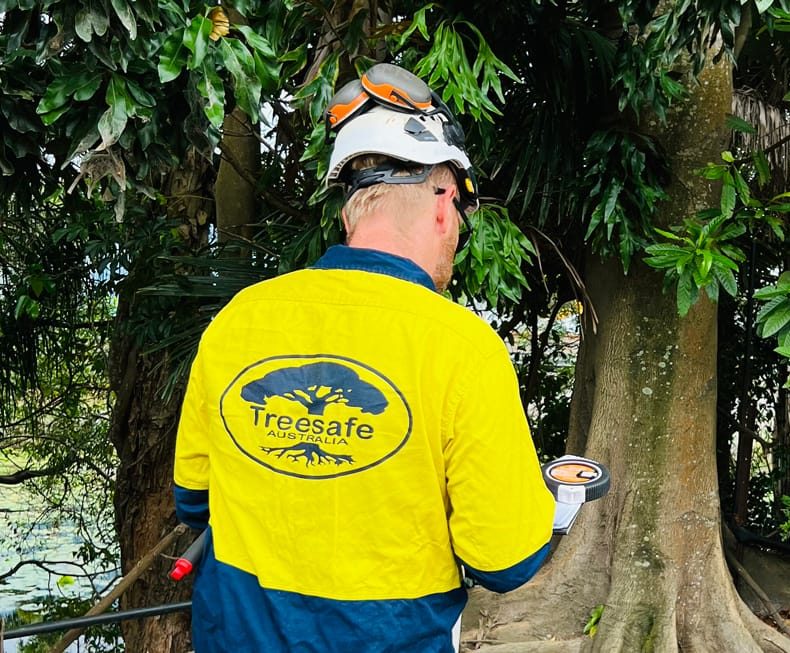
A structured, evidence-based assessment by a qualified (AQF Level 5) consulting arborist: species identification, dimensions, health and structural condition, risk rating, retention value, and recommendations — supported by photos, measurements and mapping. It translates “that tree worries me” into documented facts a council, insurer or buyer must take seriously.
When Buderim properties need one
Development or renovation applications near trees. Tree removal applications for protected vegetation. Pre-purchase due diligence on treed blocks (buyers: this is the inspection you didn’t know you needed). Insurance claims and disputes. Rental and body corporate risk management. Peace-of-mind checks on significant trees.
How to read yours
Focus on three things: the condition findings (what’s actually going on), the risk rating (how urgently it matters), and the recommendations (what to do, in what order). Everything else is supporting evidence. A good report ends with you knowing exactly what happens next.
Getting value from it
Use it to prioritise budget (urgent vs monitor), to support applications (attach it, don’t summarise it), and to create a baseline — a report repeated every few years shows change over time, which is when tree management gets genuinely smart.
An arborist report isn’t paperwork — it’s your trees, translated into evidence. Once you have one, every decision gets easier.