“Am I allowed to remove this tree?” is the most-asked question in Sunshine Coast tree care — and the most mis-answered. The truth is refreshingly concrete once you know where to look.
This is the practical guide we wish every landowner read before the chainsaw conversation.
Step one: check your property
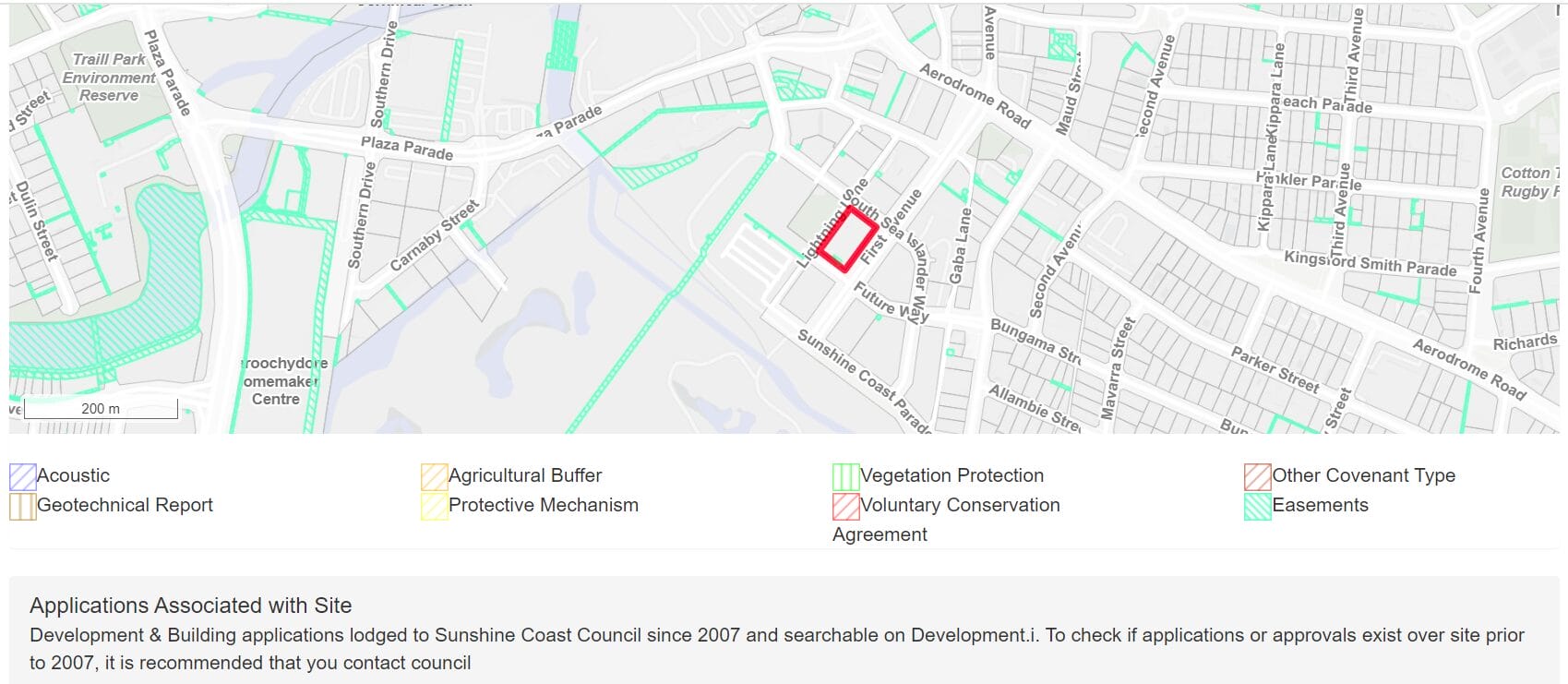
Council’s Development.i tool shows the overlays affecting your land — biodiversity, waterways, character and more. Combined with the planning scheme’s vegetation provisions, this tells you whether the tree in question is protected. No overlay usually means freedom; an overlay means read on. (And if you’re in Noosa Shire: assume a permit is required for clearing on private land unless a specific exemption applies.)
The common exemptions
Genuinely dangerous trees posing immediate risk (document everything). Declared pest species. Minor maintenance pruning. Clearing within approved building envelopes, generally up to 600m² where no envelope is mapped. Fire management works meeting the criteria. Each exemption has conditions — and overlays, covenants and prior approvals can override them.
The approval path when you need it
Confirm protection status → get an arborist assessment (health, hazard, retention value) → lodge the application with supporting report → comply with conditions (often replacement planting). With a proper Level 5 report, most reasonable applications are decided on evidence rather than argument.
The pitfalls that cost people
Assuming “dead-looking” equals exempt without evidence. Trusting a lopper’s assurance that “no permit is needed” — the fine lands on the owner, not the contractor. Clearing first during a DA and asking later. And forgetting that unlawful clearing history can complicate future applications for years.
Check the map, get the assessment, then cut. That order — every time — keeps your project legal and your conscience clear.