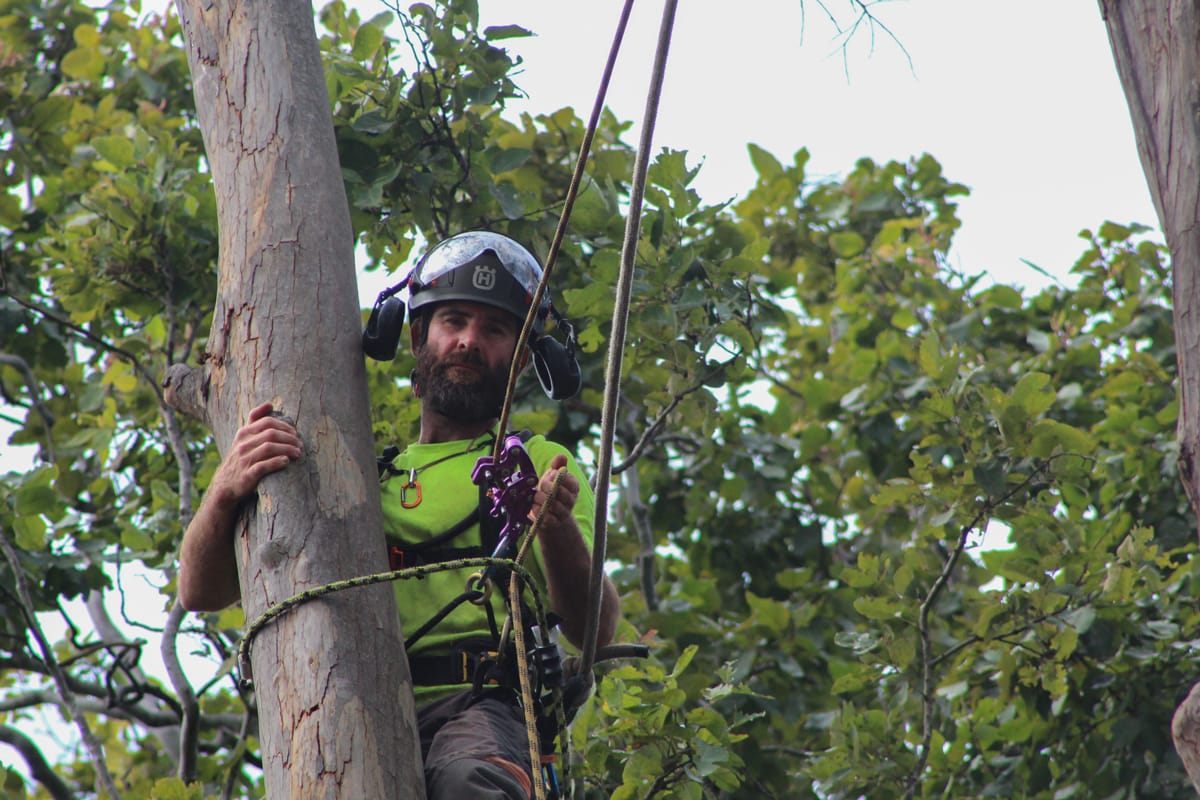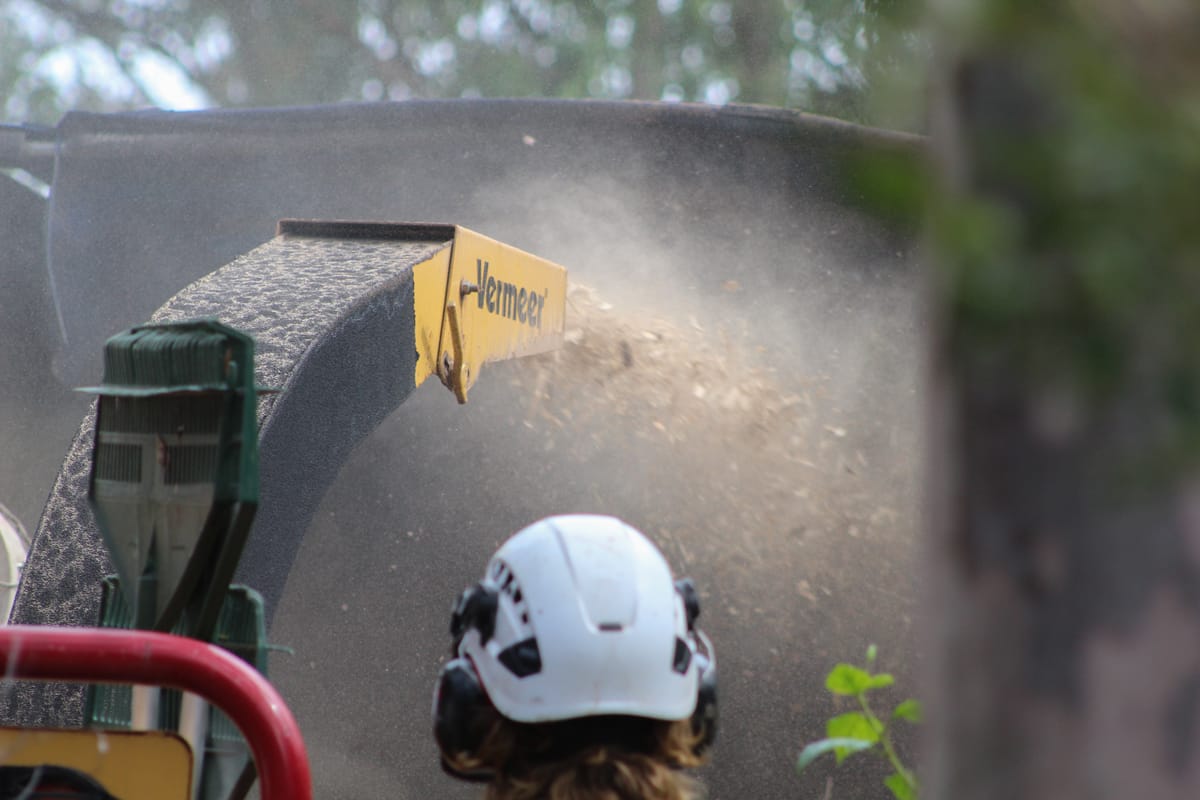
“We just need it lopped” is how half our Buderim conversations start — and what people usually mean is: it’s too big, it’s too close, and I want my light back. Totally reasonable goals. The question is how you get there.
Pruning and lopping can achieve similar visual outcomes with completely different futures for the tree. Here’s how to choose.
What you’re really choosing between
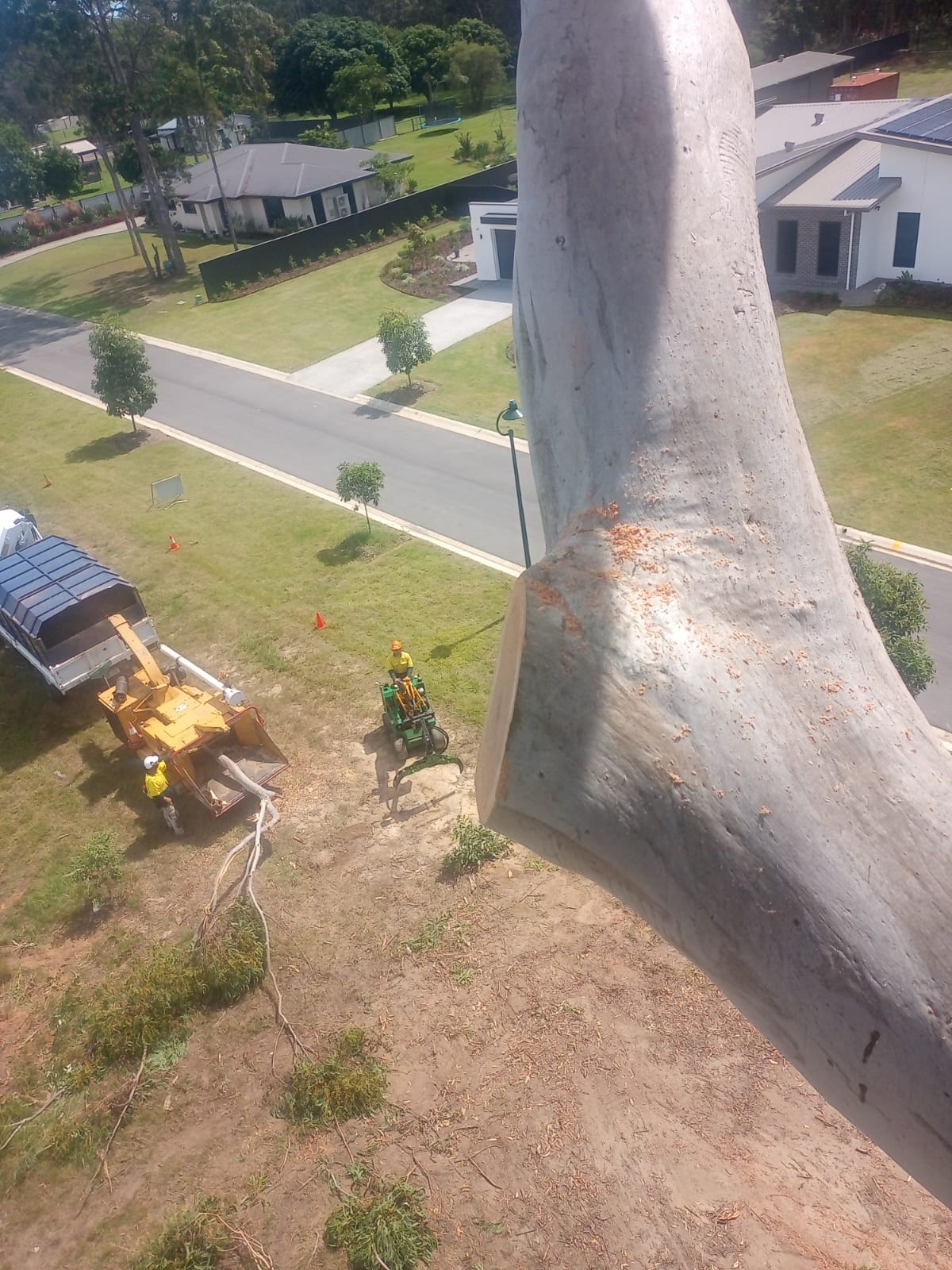
Pruning (standards-based, AS 4373) removes selected branches at proper points — the tree keeps its architecture, seals its wounds, and grows on calmly. Lopping/topping cuts through limbs at arbitrary points — the tree responds with emergency growth: dense, upright, weakly attached shoots that reach lopping height again within a few years, now more dangerous than before.
The Buderim context
Buderim’s established gardens are full of exactly the trees this matters for: mature figs, brush box, jacarandas and gums planted when blocks were bigger. They’re now roof-height-plus over 1970s homes. Crown reductions and selective pruning restore light and clearance while keeping these assets standing; lopping starts a countdown.
When harder action is honest
Sometimes the tree is simply wrong for its spot — wrong species, declining, or planted 40cm from the eaves in 1975. Then the real choice isn’t prune vs lop, it’s manage vs remove and replace. We’ll say so plainly, because a lopped-forever tree costs more over a decade than a clean removal and a beautiful replacement.
How to get what you actually want
Tell us the outcome, not the technique: “more winter sun on the deck”, “clearance from the roof”, “keep the privacy screen, lose the risk”. A Level 5 arborist translates outcomes into the right cuts — and shows you photos of what the tree will look like after.
Ask for the outcome you want — light, clearance, safety — and let standards decide the cuts. Your tree (and its next ten years) depends on the difference.